| Ingredients | Lys-Pro-Val tripeptide |
|---|---|
| Storage | Store in a cool, dry place, refrigerated (2-8°C), sealed. |
| Shelf life | 24 months |
| SKU | Content / specification | Pack | Price | Availability |
|---|---|---|---|---|
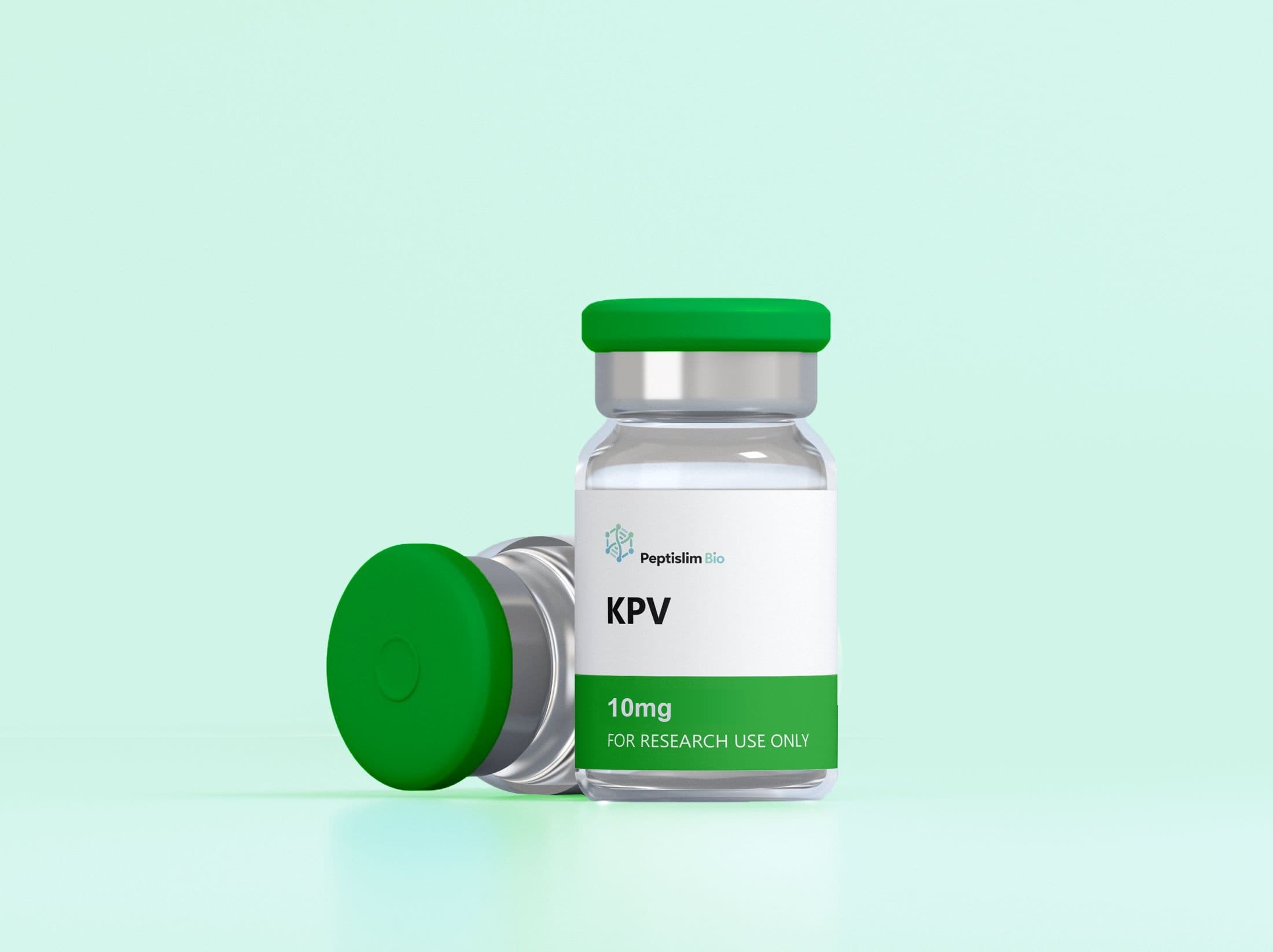
| KPV10 | 10mg | 10 vials | $69.00 | In stock |
Research use and intended-use limits
Research reagents are for laboratory and in-vitro research only. Not for human use.
Research reagents are not supplied as medicines and must not be used for diagnosis, treatment, prevention, clinical procedures or self-medication. Product information must not be used as administration or dosing guidance.
For accessories and consumables, follow their own specifications and documented intended use.
Description
KPV is a tripeptide (Lysine-Proline-Valine), primarily used for intestinal repair and anti-inflammation, helping to maintain mucosal health.
Effects
Promotes intestinal barrier repair; Reduces inflammatory response; Supports mucosal integrity; Aids in improving intestinal permeability; Antioxidant effects; May help with skin repair.
Usage
1-2 times daily, 5-10mg each time, dissolve in sterile water for injection for oral or topical use; adjust dosage according to product instructions or physician's advice.
Suitable for
Those with impaired intestinal barrier function; People with chronic inflammatory conditions; Individuals needing mucosal repair; Those with skin repair needs.
Not suitable for
Those allergic to KPV or any peptide components; Severe renal insufficiency; Pregnant and breastfeeding women without physician evaluation.
Questions about KPV
What is the intended use of KPV?
Research reagents are intended solely for laboratory and in-vitro research. Suitability for a particular experiment must be assessed using the exact specification and available documentation. Accessories and consumables must be used according to their own specifications and documented intended use.
Can research reagents be used by or administered to people?
No. Research reagents are not for human use, diagnosis, treatment, prevention, clinical procedures or self-medication. A research-use label does not authorize use in people.
How can I verify the identity of KPV?
No CAS number is published on this page. Do not infer the material's identity from its name. Request identification details and documentation for the exact product from the supplier.
Is a certificate of analysis (COA) available for KPV?
No COA is currently published on this page in the selected language. Ask the supplier about documents for the exact batch before use; availability is not guaranteed. A COA does not establish safety for human use or medical approval.
Does a purity result or COA establish safety for human use?
No. A reported purity result describes the sample and test recorded in the document. It does not establish safety for human use, clinical suitability or medical approval. Review the method, batch identity and relevant specifications for your laboratory work.
How should KPV be stored and handled?
The storage information published for this product is: Store in a cool, dry place, refrigerated (2-8°C), sealed.. Confirm the batch-specific storage and handling instructions with the supplier before receipt and use.
Does an available shipping option mean the product can be imported?
No. A shipping quote at checkout is not import authorization. Before ordering, verify whether the exact product and quantity are admissible at the destination and what purchasing, import, documentation and use requirements apply.
What should I confirm before procurement?
Match the SKU, specification and batch or lot identifier to your research requirements. Request any required COA and safety documentation and confirm availability before ordering; documents are not guaranteed to be available. Also verify applicable requirements at the destination.