| Ingredients | BPC-157 acetate (pentapeptide sequence: Gly-Glu-Pro-Pro-Pro) |
|---|---|
| Storage | Store the lyophilized powder refrigerated at 2-8°C, protected from light; after reconstitution, keep refrigerated at 2-8°C for no more than 24 hours |
| Shelf life | 24 months |
| SKU | Content / specification | Pack | Price | Availability |
|---|---|---|---|---|
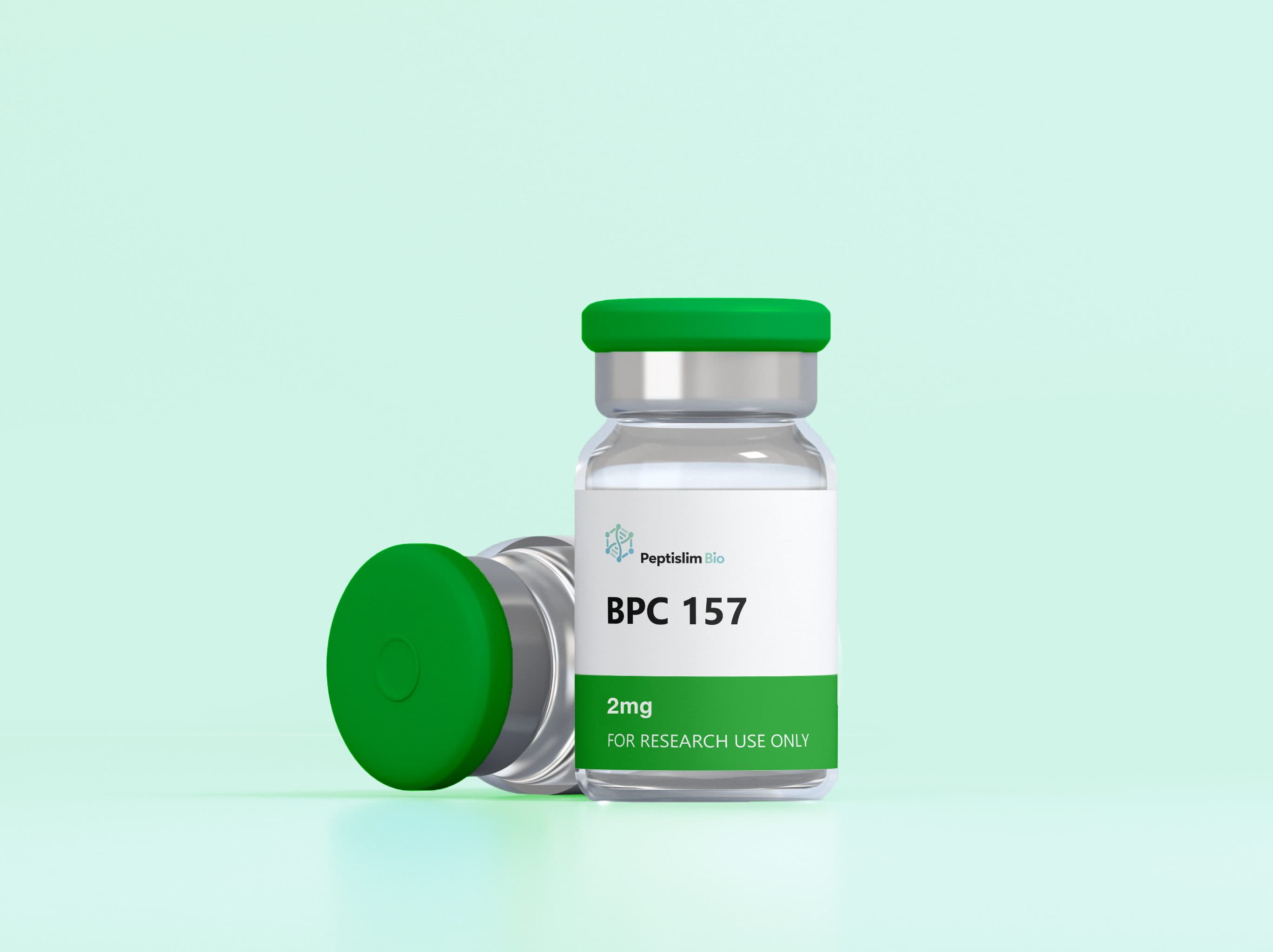
| BC02 | 2mg | 10 vials | $39.00 | In stock |
| BC05 | 5mg | 10 vials | $49.00 | In stock |
| BC10 | 10mg | 10 vials | $69.00 | In stock |
Research use and intended-use limits
Research reagents are for laboratory and in-vitro research only. Not for human use.
Research reagents are not supplied as medicines and must not be used for diagnosis, treatment, prevention, clinical procedures or self-medication. Product information must not be used as administration or dosing guidance.
For accessories and consumables, follow their own specifications and documented intended use.
Description
BPC-157 is a synthetic 15-amino acid pentadecapeptide derived from a protective protein found in human gastric juice. It has shown remarkable regenerative and cytoprotective effects in over 100 preclinical studies through multiple mechanisms, including upregulation of VEGFR2, enhanced nitric oxide synthesis, and modulation of the FAK-paxillin pathway. Research demonstrates its ability to accelerate tendon, ligament, muscle, and bone healing, promote angiogenesis, support peripheral nerve regeneration, protect and repair the gastrointestinal tract against NSAID, alcohol, and toxin-induced damage, and aid wound healing. It is generally well-tolerated with a strong safety profile in preclinical models, though caution is advised in subjects with active malignancies due to its pro-angiogenic properties. BPC-157 is widely researched for sports injury recovery, gut health restoration, post-surgical healing, and synergistic use with TB-500. This content is for research purposes only and is provided solely for reference. It must not be interpreted as health, clinical, or legal advice or guidance.
Effects
Promotes the repair of gastrointestinal ulcers and mucosal damage; accelerates tendon, ligament, and bone healing; anti-inflammatory, antioxidant, and neuroprotective; stimulates angiogenesis and cell migration; improves intestinal barrier function; relieves muscle cramps and joint pain
Usage
Usually administered by subcutaneous injection, 200-500 mcg per dose, 1-2 times daily; the lyophilized powder should be reconstituted with sterile water or normal saline and used immediately after preparation; a 4-8 week course is recommended, adjusted according to recovery progress
Suitable for
Patients with gastrointestinal ulcers; individuals with tendinitis, ligament strains, or joint injuries; those in the post-operative recovery period; individuals with sports-related soft tissue injuries; those seeking adjunctive improvement of chronic inflammatory bowel disease
Not suitable for
Individuals allergic to peptide components; pregnant or breastfeeding women; patients with malignant tumors (due to the theoretical risk of promoting angiogenesis); individuals with coagulation disorders or those currently using anticoagulant medications
Questions about BPC 157
What is the intended use of BPC 157?
Research reagents are intended solely for laboratory and in-vitro research. Suitability for a particular experiment must be assessed using the exact specification and available documentation. Accessories and consumables must be used according to their own specifications and documented intended use.
Can research reagents be used by or administered to people?
No. Research reagents are not for human use, diagnosis, treatment, prevention, clinical procedures or self-medication. A research-use label does not authorize use in people.
How can I verify the identity of BPC 157?
No CAS number is published on this page. Do not infer the material's identity from its name. Request identification details and documentation for the exact product from the supplier.
Is a certificate of analysis (COA) available for BPC 157?
No COA is currently published on this page in the selected language. Ask the supplier about documents for the exact batch before use; availability is not guaranteed. A COA does not establish safety for human use or medical approval.
Does a purity result or COA establish safety for human use?
No. A reported purity result describes the sample and test recorded in the document. It does not establish safety for human use, clinical suitability or medical approval. Review the method, batch identity and relevant specifications for your laboratory work.
How should BPC 157 be stored and handled?
The storage information published for this product is: Store the lyophilized powder refrigerated at 2-8°C, protected from light; after reconstitution, keep refrigerated at 2-8°C for no more than 24 hours. Confirm the batch-specific storage and handling instructions with the supplier before receipt and use.
Does an available shipping option mean the product can be imported?
No. A shipping quote at checkout is not import authorization. Before ordering, verify whether the exact product and quantity are admissible at the destination and what purchasing, import, documentation and use requirements apply.
What should I confirm before procurement?
Match the SKU, specification and batch or lot identifier to your research requirements. Request any required COA and safety documentation and confirm availability before ordering; documents are not guaranteed to be available. Also verify applicable requirements at the destination.